Category Archives: Uncategorized

From Mecklenburg to Moore: Stories from the Smith and Maggie Alexander Family

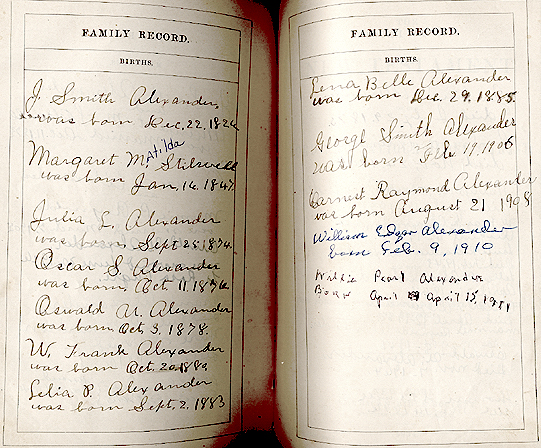
John Smith Alexander was born in Mecklenburg County, N. C. on Dec. 22, 1826, identical twin to Silas Washington Alexander. Their parents were Telemacus and Hannah Smith Alexander. Their father was a blacksmith and wagon-maker, and they grew up in the Sharon Presbyterian Church community.

Telemacus Alexander died in 1842, when the twins were fifteen years old. Their mother died only four years later, leaving ten children. Their oldest brother became head of household and they remained on the family farm. The six sons were all blacksmiths, wagon makers, or wheelwrights. When the Civil War broke out, they and their brothers-in-law all served in the Confederate Army.

Next: Smith Alexander and Brothers in the Civil War

Sources:

Margaret Stilwell Alexander’s Family Bible, (pages pictured above,) owned by Glenda Alexander.

Alexander Notebooks, compiled and researched by Dr. Alvah Stafford, 1951, Volume 1, (Charlotte N. C.: Public Library of Charlotte and Mecklenburg County, 1985) pp. 80-81.

Records of Sharon Presbyterian Church, 1830-1960, Microfilm Reel HF 202, (Presbyterian Historical Society, Montreat, N.C.: 1969.) Vol. 1855-1873, pp. 34-35.

1850 U. S. Census, Mecklenburg County, N. C., NARA Roll: M432:637; p. 79b.

1860 U. S. Census, Eastern Division, Mecklenburg County, N. C., E. D. , p. 11; NARA Microfilm M653_906, accessed online at Ancestry.com.

Veteran’s Day Reflections

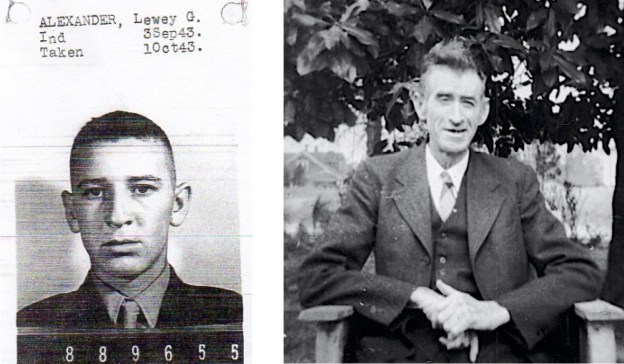
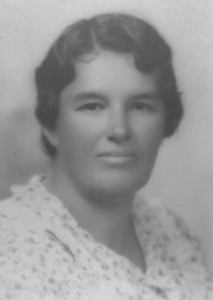
During World War II, my father (pictured on his military i. d., above at left) and three of his brothers and two brothers-in-law all served in the armed forces. All survived the war. However, the family lost both parents during war-time. My grandmother, Loula Alexander, died in February of 1943, and then my grandfather, Frank Alexander, (pictured at right above, 1945) was diagnosed with lung cancer and died in 1945.

A document filed with my father’s military records reveals a lot about the family’s situation.

The Servicemen’s Dependents Allowance Act of 1942 provided allowances for the support of the families of soldiers. Class B covered parents and siblings who were dependent on the soldier. The allowance for one parent was $15 per month, plus an additional $5 for each sibling, not exceeding $50 per month. The deduction from the soldier’s pay was $22 per month.

A Dependency Affidavit filed by Frank Alexander January 3, 1945, stated “Due to ill health I am confined to bed and unable to support myself and children.” He was age 64 and lived in Vass, N. C. His wife had died in February of 1943. The affidavit certified that he was dependent on a serviceman for more than half of his income, and asked for a Class B-1 family allowance.

Frank had two dependent children living at home, Max and Patsy Lou, who were both in school. Frank had $140 in the bank and had received $200 in “allotments” from his son, PFC Lewey Alexander, since September of the previous year. Lewey (called Tuppin by the family,) was age 20 and unmarried. Frank’s son Jack was age 30, married and serving in the Army, and son Robert, age 17 and single, was in the Merchant Marine.

At that time, Frank and his children lived in a house that he owned in the town of Vass. The house and lot were worth $1000. He had an additional 82 acres of land, also worth $1000. From the estate of his wife he had inherited $2300 worth of stock in the Carolina Power and Light Company. He was debt-free.

In 1942 and 1943, Lewey had worked on the farm, helping to raise crops during his vacation from college (Lees-McRae.) After enlistment in the U. S. Marines in 1944, he contributed $50 per month to his family’s income. Frank had become unable to work and only Lewey was able to contribute to the family income.

Additional notes:

Frank died eight months later, on August 4 of 1945. He had eight surviving children, including two older, married daughters, and a son, John Alexander, who survived the attack on Pearl Harbor in 1941 and received a medical discharge in 1942. John was married, and his first child was born a week after the affidavit was signed.

Upon requesting my father’s military records from World War II, I learned that a fire at the National Personnel Records Center in 1973 destroyed most of them. You can request copies of documents online through the E Vet Records application, but the local V. A. helped me apply for the few records that are left from other sources.

Sources:

“Lewey Glenn Alexander Dependency Affidavit,” Jan. 3, 1945; NARA.

https://www.ssa.gov/policy/docs/ssb/v6n7/v6n7p21.pdf, acceded 9 Nov. 2024; Administration of the Servicemen’s Dependents Allowance Act; https://maint.loc.gov/law/help/statutes-at-large/77th-congress/session-2/c77s2ch443.pdf, publication on Library of Congress website.

“The 1973 Fire, National Personnel Records Center,” https://www.archives.gov/personnel-records-center/fire-1973, accessed 9 Nov. 2024.

Family Records in the possession of the author.

Illness in the 1800’s

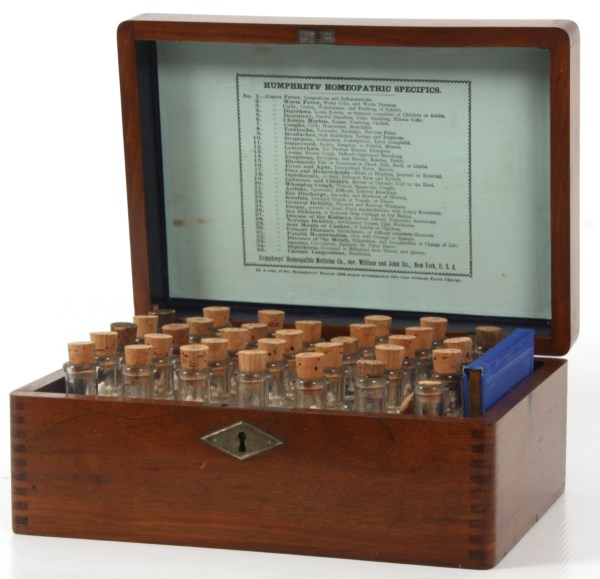
An ad for homeopathic medicines in The Charlotte Observer in 1876 had an extensive list of illnesses and health problems of the time.  Homeopathic medications are extremely diluted plant, mineral, or animal extracts used to treat disease. The object is to produce an immune response in the body by using a very low dose of a substance that will provoke the symptoms of the illness.  In 1876, homeopathic medicine had been around in Europe for nearly a hundred years.  It is still used, but in the U. S. A., it has never been approved by the FDA.

The Mild Power CURES

Humphreys’ Homeopathic Specifics:

Been in general use for twenty years.”

List of Conditions to be cured:

“1.  Fevers, Congestion, and Inflammation

2.  Worms, Worm Fever, Worm Colic

3.  Crying Colic, or teething of Infants

4.  Diarrhea of Children or adults

5.  Dysentery, Griping, Bilious Colic

6.  Cholera-Morbus, Vomiting

7.  Coughs, Colds, Bronchitis

8.  Neuralgia, Toothache, Faceache

9.  Headaches, Sick Headaches, Vertigo

10.  Dyspepsia, Bilious Stomach

11.  Suppressed or Painful Periods

12.  White, too Profuse Periods

13.  Croup, Cough, Difficult Breathing

14.  Salt Rheum, Erysipelas, Eruptions

15.  Rheumatism, Rheumatic Pains

16.  Fever and Ague, Chill Fever, Agues

17.  Piles, blind or bleeding

18.  Ophthalmy, and Sore or Weak Eyes

19.  Catarrh, scute or chronic, Influenza

20.  Whooping-Cough, violent coughs

21.  Asthma, oppressed Breathing

22.  Ear Discharges, impaired Hearing

23.  Scrofula, enlarged glands, Swellings

24.  General Debility, Physical Weakness

25.  Dropsy and scanty Secretions

26.  Sea-sickness, sickness from riding

27.  Kidney Disease, Gravel

28.  Nervous Debility, seminal weakness or involuntary discharges

29.  Sore Mouth, canker

30.  Urinary Weakness, wetting the bed

31.  Painful Periods, with Spasms

32.  Disease of Heart, palpitations, etc.

33.  Epilepsy, Spasms, St. Vitus’ Dance

34.  Diphtheria, ulcerated sore throat

35.  Chronic Congestions and Eruptions”

Each category was treated by a separate homeopathic remedy, which could be bought singly, in small bottles, or in a leather case containing all thirty-five of them. plus a manual, sold by “all druggists” in Charlotte.  This product was distributed from No. 562 Broadway, N. Y.

Source:  Ad in The Charlotte Observer, 18 Aug. 1876, p. 4;  accessed online through newspapers.com.

Glossary:

2.  Worms:  Different kinds of parasites in the digestive system or under the skin.  Roundworms, including pinworms and ascariasis can cause fever.  

3.  Colic:  The symptom of colic is unexplained crying in babies, usually with behavior that shows they are in pain.  Doctors seem to think the most likely causes are teething and digestive pain, but none of them seem to really know.

5.  Dysentery  is bloody diarrhea, caused by bacteria.  Griping is intestinal pain.  Bilious colic is pain caused by gallstones blocking the bile ducts.

6.  Cholera morbus is an old term for cholera, a gastrointestinal infection caused by bacteria, with the major symptom being large amounts of watery diarrhea lasting for days.  There were six cholera pandemics during the 1800’s.  Caused by contaminated water, better sanitation helped to bring it under control.

8.  Neuralgia is a sharp, burning pain along the path of a nerve. caused by damage to the nerve.  it can affect any part of the body. 

9.  Sick headache is accompanied by nausea and includes migraines.

10.  Dyspepsia includes different kinds of indigestion.  Bilious stomach was apparently what we now call acid reflux.

12.  White period is a white discharge before the normal menstrual period, caused by hormonal changes.  It can be normal, or be a symptom of disease or of pregnancy.

13.  Croup is an infection and swelling of the upper airway, which makes it hard to breathe, and it causes a cough that sounds like barking.

14.  Salt rheum was another name for eczema.  Erysipelas is a bacterial skin infection that causes a firy red rash.  An eruption was a rash.

15.  Rheumatism is inflammation in muscles, now usually called rheumatoid arthritis.  It causes chronic pain and soreness.

16.  Ague was malaria or some other illness causing fever and shivering.

17.  Piles are hemorrhoids.

18.  Ophthalmy was inflammation of the eyes.

19.  Catarrh is excessive mucus in the nose or throat, now usually called postnasal drip.

20.  Whooping cough is a very contagious respiratory infection that causes severe coughing.

23.  Scrofula is an infection in the lymph nodes of the neck by the same bacteria as tuberculosis.

25.  Dropsy is edema, or fluid retention in body tissues.

27.  Gravel is kidney stones.

33.  St. Vitus’ Dance  is an auto-immune disease which can be a side effect of rheumatic fever.  It causes uncontrolable jerking movements in the the face, hands and feet.

34.  Diphtheria is a bacterial infection that causes fever and severe sore throat.  It used to cause the death of many children.  Most people in the U. S. Are now vaccinated against diphtheria and whooping cough.

[Defined with help from Mayo Clinic, NIH, and Wikipedia, among others.]
A Slice of Life: 1876

On Friday, August 18, 1876, page four of the Charlotte Observer reported that “The house of Mr. Smith Alexander, in Sharon Township, was entered last Tuesday while the family were absent attending a picnic, and robbed of clothing, meat, flour and everything that could be conveniently carried away.”

Mr. (John) Smith Alexander was 50 years old, and had been married for almost three years to Maggie Stilwell, age 29. They had lost their first child, Julia, the previous year, and in less than two months, Maggie would give birth to their second child, Oscar.

Other articles on the same page of the newspaper give some clues as to what life was like in 1876, as well as what type of picnic they might have been attending. A picnic promoting Temperance, or abstinence from drinking alcohol, was advertised. Temperance was a hot topic in the 1800’s, especially with women whose husbands overindulged and wasted the family’s livelihood and sometimes, became violent when under the influence.

Pills to remedy drinking too much were advertised, as well as a remedy for Dyspepsia, which apparently included all gastrointestinal complaints.  Many ads for patent medicines listed the common illnesses of the time, including tuberculosis, whooping cough, and dysentery.

Several other articles were about picnics and rallies for the political candidates of the period. Zebulon Vance was running for State Governor, again, after serving during the Civil War and spending some time after the war under arrest. The lyrics for a campaign song for Vance were printed on the page, so it would seem that the Observer promoted his candidacy. The Sharon and Steel Creek communities were both mentioned as sites of political rallies.

The articles included many racist remarks.  The Reconstruction period that followed the Civil War lasted until about 1876.  The Democratic Party was the more conservative of the two main political parties.  The Republican party had been the party of President Lincoln.  One article remarked that the Republicans called the newspaper Democratic.

The hard times that followed the war were mentioned. Financial news and grocery ads indicated that bacon, corn, lard, flour, chickens, eggs, butter, honey, and sugar were important items in the diet of the times, and some foods, such as chickens, eggs, and butter, were scarce.  Also mentioned were prices for cheese, rice, meal, grits, molasses, coffee, tea, fish, oats, peas, fruits, and potatoes, as well as wines and liquors.

Ads in the “Ten cent column” cost ten cents per line, minimum twenty-five cents, and included ads for Miss Mary Watson’s school, a gold mine for sale in Huntersville, food, medicine, employment, hotels, and Mason jars.

The robbers were arrested and charged, but the article didn’t mention whether any of the stolen goods were recovered. It seems significant that food was prominent in the list of things taken. For many citizens of North Carolina, the period after the war was a hungry time.

Smith and Maggie would eventually have a total of five children, one of whom was my grandfather, William Franklin Alexander, who was born in 1880. When their children were teenagers, the couple moved to a home on the Deep River in Moore County, N. C., where Smith passed away in 1904, and Maggie, later in 1931.


Sources:  The Charlotte Observer, Charlotte, North Carolina, Friday, August 18, 1876, p. 4, accessed online; “Zebulon Vance,” https://historicsites.nc.gov/all-sites/zebulon-b-vance-birthplace/history/zebulon-vance, accessed 16 Sept. 2024.


A Millwright in the Family

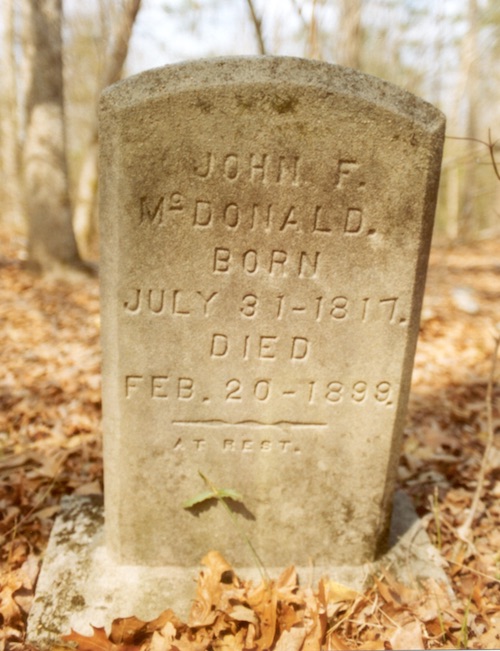
John Finlayson McDonald’s grave stone establishes his birthdate as July 31, 1817. His parents were Angus McDonald and Mary Finlayson of Cumberland County, N. C.

Both Gaelic and English were spoken in the home when John was young, and the members of his family were literate. The census tells us he became a millwright. Millwrights were the engineers of their time, needing skills for working with metal, stone, and wood, and having the knowledge and ability to create the moving parts of the mill. The work required mathematical and engineering knowledge, evidence he had some formal education.

In 1838, when John was age 21, he acquired a farm located between Carthage and Vass. He had 65 acres of land located on both sides of the Lower Little River in Cumberland County, and 100 acres adjoining the Moore County line and his father’s property lines on the river.

In 1848, John F. McDonald bought from Daniel McLeod for $850, 496 acres between Herd and Crain’s Creeks, with enough “land on the North side of Herds Creek as would be necessary for the use of a Mill and overflowing of a pond.” In Branson’s N.C. Business Directories, his name can be found in a list of “Prominent Farmers,” with 500 acres on Crains Creek.

John’s father died before the 1850 census. At that time, his mother lived in the Western Division of Cumberland County on $300 worth of real estate; his three sisters lived with their mother. A millwright named John McDonald, in the neighborhood of 33 years old, lived in the household of a widow with eight children, whose name was Edith Page.

Calculating by age of his oldest son, Angus, John Finlayson McDonald was married to Sarah Strickland around 1857. She was 22 to her husband’s 40 years of age. They had a second son, Malcom Daniel, in 1859, and unfortunately, Sarah died in childbirth. Their infant son was raised by John’s sisters, Sarah, Margaret, and Christian. Angus, their older child, can be found in census records with his father. The family belonged to Cypress Presbyterian Church in Harnett County. John’s mother, Mary Finlayson McDonald, also died sometime between 1850-1860.

John was about 45 years old in 1862, when enlistment for the Confederate Army started. It is likely that he was the John McDonald of Company H of the 6th Regiment, N. C. Senior Reserves, who served in the Civil War until its end in 1865.

About 1866, John married again. Jennet Isabella Patterson was born around 1848 in Cumberland County, and married John, a 49-year-old widower, at about age 18. The Patterson family belonged to Union Presbyterian Church, located between Carthage and Vass, where John became a member.

Their first child, Mary Arabella McDonald, was born in 1867. Their son, Neill Archibald McDonald, was born in 1869. In 1870, their home was in the Greenwood Township of Moore County. John was a millwright whose real estate at that time was valued at $800. Son Angus was age 12 and attended school. The family had neighbors who were farmers, (two who were born in Scotland,) with surnames McDonald, McLean, and Kelly.

Daughter Margaret Anne was born in 1872. Jennet’s father, Neill Patterson, died in 1877.

In 1880, the family, still in Greenwood, included the parents and four children. John was still a millwright, Angus worked as a house carpenter, and Neill was a laborer. John’s son Malcom lived with John’s sister, Christian McDonald, in Cumberland County.

In 1891, Jennet’s mother, Margaret McLean Patterson, died and was buried beside her husband at Union Presbyterian Church.

In 1899, John Finlayson McDonald died and was buried in the Ferguson and McDonald family cemetery near Crain’s Creek. His monument reads: “John F. McDonald; Born July 31–1817. Died February 20–1899. At Rest.” There is a grave to his right marked at head and foot by round field stones, which is the likely resting place of Jennet, who died soon after, in 1901. Their daughter Margaret Ann Hicks and three of her children, as well as their grand-daughter, were later buried in adjacent graves.

Sources:

Alex M. Patterson, Highland Scots Pattersons of North Carolina and Related Families. (Raleigh: Contemporary Lithographers, Inc., 1979), pp. 159-194. Patterson researched the family of John’s second wife, Jennet Isabella Patterson.

1820 U. S. Census; Moore County, N. C., page stamped 298/handwritten 301; NARA Microfilm M33_80.

James Vann Comer, Gone and Almost Forgotten: Crain’s Creek Community, (Sanford: James Vann Comer, 1986), p. 104; census records below.

Son Neill McDonald in 1940 U. S. Census, High Point, Guilford County, N. C., NARA Roll: M-T0627-02921; p. 6B; Enumeration District: 41-90.

1850 U. S. Census, Eastern Division, Cumberland, North Carolina; Roll: 627; Page: 64b; Line Number: 40, Dwelling Number: 1045, Family Number: 1058.

1860 U. S. Census, Moore County, N. C., p. 79; NARA Microfilm M653-906.

Confederate North Carolina Troops: 6th Regiment, North Carolina Senior Reserves, accessed Feb. 1, 2012 at http://www.itd.nps.gov/cwss/regiments.cfm, no date; Weymouth T. Jordan Jr., North Carolina Troops, 1861-1865 : a Roster, Vol. 12, (Raleigh, N.C. : State Dept. of Archives and History, 2004) p. 68.

1870 United States Federal Census, Greenwood Township, Moore County, N. C., p. 34; NARA Microfilm M593-1149.

1880 U. S. Census, Greenwood Township, Moore County, N. C., Enumeration District 133, p. 4D.; NARA Microfilm Roll 973, accessed online at ancestry.com

Visit to cemetery located off County Road 1825, approx. .4 mile from Highway 1, just North of Crains Creek, Moore County, with Lewey Alexander Sr., great-grandson, and William Wilson, great-great grandson, on March 29, 2002. See Findagrave Cemetery ID: 2282051.

McDonald-Ferguson Family Cemetery, Crain’s Creek, Cameron, NC

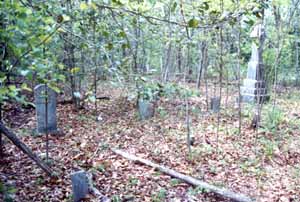
Moore County, North Carolina has one of the largest populations of Highland Scottish descendants in the U.S.A. About 150,000 Scottish people emigrated to America between 1600 and 1776,1 and North Carolina had the largest number of Highland settlers in America. Between 1739 and 1776 about 50,000 Highlanders came to the the Cape Fear River Valley in what is now the state of North Carolina for relief from economic and political repression.2 Remnants of the Highland culture survive in local names, liberally sprinkled with Mc’s, the prefix which meant “son of” in Gaelic, in numerous Presbyterian churches, and place names like Caledonia, Aberdeen, and Cameron.The McDonald Family Cemetery on Crains Creek near Cameron contains up to ninety graves of Scottish immigrants and their descendants. The oldest marked grave is dated 1796, and at least one stone was engraved to record that the deceased, John Ferguson, was “born in Scotland.” The stone of Sally McDonald, wife of Angus, reveals that she was a native of the Isle of Skye. Some bear Masonic symbols.3 A deed to the cemetery was recorded in 1911, by A.B. McDonald, Donald McDonald, and J.D. Richardson.

Several members and relatives of the Richardson family are buried on Crains Creek. Hattie Belle Richardson was born August 13, 1896 in Moore County, to Mr. and Mrs. John Dolphus Richardson. She died September 26, 1898. She is buried beside her maternal grandfather, John Finlayson McDonald, born July 31, 1817 in Cumberland County, N.C., to Angus McDonald and Mary Finlayson. His first wife was Sarah Strickland, who died in 1852. The couple belonged to Cypress Presbyterian Church in Harnett County. They had sons named Angus and Malcom Daniel.

John F. McDonald and his second wife, Jennet Isabella Patterson belonged to Union Presbyterian Church, located between Carthage and Vass. The couple farmed near Crains Creek, where he also was a millwright. He died in Moore County on February 20, 1899. Jennet was born about 1843, also in Cumberland County, to Neill Patterson (1808-1877) and Margaret Ann Eliza McLean (1817-1891). She died August 20, 1901,4 and is probably the occupant of the unmarked grave on the other side of her husband.

To the right of the graves of John Finlayson and Jennet Patterson McDonald is the grave of their daughter, Margaret Ann McDonald Hicks, who was born September 8, 1872 in Moore County. Three of her children are buried next to her. Twins Margaret May and Mack McDonald Hicks were born April 10, 1904. Their mother died shortly after their birth on May 13, 1904. Margaret May died June 16, 1904, and Mack died June 22, 1904.

The twins’ brother, Neil Abner Curtis Hicks, was born February 28, 1893 and served in the 3rd Provisional Regiment, 156th Depot Brigade in World War I. He died at Camp Sevier Base Hospital in South Carolina on October 4, 1918. The large monument in the photograph at the top of the page marks his grave, the last burial in the cemetery. In 1918, thousands of soldiers were treated for influenza at Camp Sevier and hundreds died, victims of the Spanish flu epidemic.5

Margaret McDonald Hicks’ husband was Abner Fields Hicks, who remarried after the death of his wife and is buried at Johnson Grove in Vass.6

John Finlayson and Jennet Patterson McDonald were also the parents of Neill Archibald McDonald, born July 24,1869 in Moore County. He married Marie Gottschalk of Louisiana, and they had thirteen children. He was a textile worker in High Point, N.C., and died there on January 26, 1969.7
Another daughter of John and Jennet McDonald was Mary Arabella, born in 1867, wife of J.D. Richardson and mother of Hattie Belle, as above.

Other family groups in the McDonald-Ferguson Cemetery:

Murdoch and Mary McDonald Ferguson
John and Maria Ferguson
Children of Daniel McDonald
D. McDonald
John and Nancy McDonald
Angus McDonald

Other individuals:
Nancy McDonald
Norman McDonald (1736-1796) oldest inscription
John Cammeron
Theodota McDonald
Catherine McDonald
Dougal McDonald
John Monk
Elizabeth Currie, wife of John M. Currie
Catherine Arnold, wife of  Henry Arnold
Daniel McDonald
Catherine McDonald, wife of Donald McDonald
Daniel McDougald
Sergeant Finley McDonald (N.C. Regt. Cont. Line) (DAR memorial, not a grave)8

Footnotes:

  1. David Dodson, The Original Scots Colonists of Early America: 1612-1783, (Baltimore: Genealogical Publishing Co., 1989), page v.
  2. Douglas F. Kelly, Carolina Scots: An Historical and Genealogical Study of Over 100 Years of Emigration. (Dillon SC: 1739 Publications, 1998) pp. 79, 81, 209-211.
  3. Gravestones in the McDonald family cemetery on Crains Creek in Cameron, N. C., visited in 2003.
  4. Alex M. Patterson, Highland Scots Pattersons of North Carolina and Related Families. (Raleigh: Contemporary Lithographers, Inc., 1979), pp. 159-194; James Vann Comer, Gone and Almost Forgotten: Crain’s Creek Community, (Sanford: James Vann Comer, 1986), p. 104.
  5. Office of Medical History: Office of the Surgeon General, “Extracts from Reports Relative to Influenza, Pneumonia, and Respiratory Diseases,” April 4, 2003, accessed online July 1, 2006.
  6. Patterson, cited above, pp. 186-192; Interviews with Willie Alexander Carr by the author, April 1, 2002; Curtis Hicks, WWI draft registration card, no. 32, Carthage NC, June 5, 1918; Mary MacDonald Richardson, Death Certificates, Vol. 1801, (Raleigh: North Carolina State Archives) p. 308.
  7. Patterson, cited above, p. 182; Population Schedule of the Ninth Census of the United States: 1870, Roll 1149, North Carolina, Moore County, Greenwood District, (Washington: National Archives and Record Service, 1965) p. 533.
  8. Kelly, cited above; Rassie E. Wicker, Miscellaneous Ancient Records of Moore County, North Carolina, (Southern Pines: The Moore County Historical Association, 1971); Anthony E. Parker, compiler, A Guide to Moore County Cemeteries, (Southern Pines: The Moore County Historical Association, 1975).

Copyright 2001 by Glenda Alexander, updated Oct. 2023; Standard copyright restrictions apply.


LOULA RICHARDSON ALEXANDER: CHICKEN FARMER, MARKET VENDOR, 1930-1943

In the autumn of 1929, the crash of the American stock market started a period that we now call the Great Depression, which lasted for about a decade and challenged the survival of ordinary Americans.

My parents told many stories about growing up during that time. In my Dad’s family, many of those stories expressed admiration for his mother, Loula Richardson Alexander, and her ceaseless hard work, determination, and inventiveness.

In 1930 Frank and Loula Alexander moved their family of nine children, including one new-born, from a house in the town of Vass, N. C., to a farm nearby, on Union Church Road. Loula went into action. She ordered baby chicks that were delivered by mail in a box with air holes, a hundred at a time. She put paper, sand and boards in a corner of the living room to make a warm home for the chicks while Frank built a brooder house. Eventually she would have five buildings for the purpose of raising chickens, about 500 birds at the peak of her business.

Sometime prior to 1933, the Moore County Home Demonstration Clubs started a farmer’s market in Southern Pines to sell produce to Northern women who had winter homes in Southern Pines and Pinehurst. The market was in a basement, on a side street near the depot in Southern Pines, “on the Pinehurst side.” It was an open room with stepped shelves for merchandise. Each of twenty female vendors had a booth. Loula sold butter, eggs, baked goods, and vegetables. She had a flower garden and sold cut flowers. She also sold canned peaches from the family’s orchard of about 40 peach trees, two varieties.

A curb market commitee established rules about the cleanliness and quality of the produce, and set the prices. Sellers were required to sell at the same prices as local merchants, their one advantage being that they were not required to add sales tax.

The income helped rural women with living expenses, as well as children’s clothing, college tuition, and better health care. One of Loula’s most cherished goals was to send her oldest daughter, Willie, to Duke University.

Total sales for the vendors from Dec. 1, 1932-Nov. 1, 1933 were $3,093.28, worth about $65,833.03 in 2022. If Loula had received an equal 1/20 share of that, $154.66, she received, in 2022 numbers, the equivalent of about $3,277.00 for 12 months’ work. Hopefully, her extra hard work netted her more than that, but even in 1933, the compensation must have seemed a little thin.

Nevertheless, an anonymous woman wrote a letter to the editor of the local newspaper, on the subject of the budget for a county home demonstration agent. She said:

“The curb market alone has brought over three thousand dollars into the Moore county farm homes. It seems to me that we need this kind of work as never before.”

Sellers continued to grow produce into fall and winter to sell at the market. They were motivated to improve their farming practices so as to compete with other sellers. An article about the market in the local newspaper mentioned that “Fresh eggs are at a premium…”

First Loula sold eggs at the market, then she discovered she could sell fryers. When the chickens were 8-12 weeks old, they became frying size, about two to two and a half pounds. At that point, she could identify the sex. The boxes of baby chicks contained about an equal number of males and females. If the pullets (young hens) were good layers she kept them to produce eggs, while other hens became fryers. She would sell 3-4 dozen hens per week at the curb market. She learned to caponize young roosters from the Moore County Agricultural Extension agent, and she sold the capons for baking. They would grow larger than the hens, and she sold a lot of them for Thanksgiving dinners.

Dr. Earl Wayne Hunter, a dentist from south Sanford, near Highway One, owned Dr. Hunter’s Hatchery, another market for Loula, as he bought fertilized eggs. She could tell with a candle if an egg contained a chicken embryo.

Loula’s children were very much involved in her business. Several of them described coming home from school on Friday afternoon and immediately joining their mother in preparing chickens for the market. Loula did the slaughtering herself, and the children helped to remove feathers, etc. Their mother would set out alone very early on Saturday morning with her merchandise and come home later with treats they couldn’t produce on the farm, like Jello.

In spite of Loula’s diligence and obvious contribution to the family income, the 1940 census taker described her occupation, just like many wives of the time, with a blank line and checked that she was “engaged in home housework,” and further indicated that she earned no income. Incredible.

When Loula passed away, age 51, in 1943, World War II was in force. She had two married daughters, two sons in the Army, one son in college—soon to be in the Marine Corps, and three younger children living at home. Sadly, she had lost one son to illness in 1935. Her husband, Frank Alexander, was diagnosed with lung cancer and passed away only a year and a half later.

Copyright 2022 by Glenda Alexander.  All rights reserved.

Sources:

Interviews with Lewey Alexander Sr., Robert L. Alexander, Patsy Alexander Rodgers, and Willie Alexander Carr.

1940 U. S. Census, McNeill’s Township, Moore County, N. C., E. D. 69-13, p. 11A; West Sanford, Lee County, N. C. ED 53-7, sheet 7B.

The Pilot, newspaper, Vass, Aberdeen, & Southern Pines: Friday, Mar. 28, 1930, p. 9; 29 April, 1932, p. 2.; Nov. 17, 1933, Edition 1, pp. 4-5; December 29, 1939, p. 4.

USD Inflation, https://www.usdinflation.com/amount/154/1933, accessed 20 Feb. 2022.

High on the Mountain

The mountain cemetery, as often as not, was placed on the highest ground.  My old neighbors Fred and Laurie Peterson had a family cemetery on a hill behind their house, on the highest point of land they owned.  You could see miles down the Toe River, as it flowed toward Tennessee.  Paying my last respects to them there, I felt uplifted, part of a vast universe.  

Ola Belle Campbell Reid said that when she wrote her song “High on a Mountain,” she was standing by the grave of her mother.  The lyrics speak of longing for “the days that used to be.”  Many people have interpreted the words as speaking to a lost lover.  I think they go much deeper than that.  

In northwestern North Carolina, near Ola Belle’s home grounds, I found the graves of my own great-grandparents and great-great grandparents, as near to heaven as they could be placed.  Standing at the top of a mountain, it’s hard not to feel inspired, even as you feel grief or nostalgia.  Ola Belle’s lyrics begin with “High on a mountain, wind blowing free…”  Every time I hear her song I see the Toe River valley stretching away into a blue-green haze and feel the free air all around, and imagine my neighbors and my ancestors gone to a well-deserved reward for their hard work, perseverance, and benevolence.

With all respect due to Marty Stuart’s interpretation of Reid’s song, I like Ola Belle’s own performance best.  It has a depth no love song can reach.

Copyright 2021 by Glenda Alexander. All rights reserved.

“As I looked at the valleys down below,
They were green just as far as I could see;
As my memory turned, oh,
How my heart did yearn,
For you and the days that used to be.”

The One & Only Town of Toast

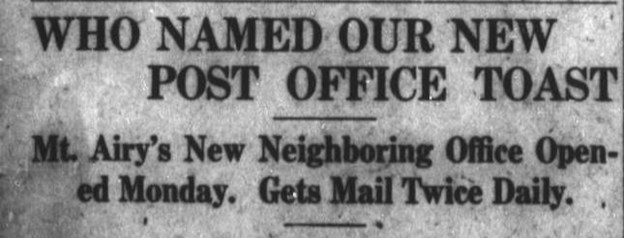
There is only one town in the world named Toast, and it is in North Carolina. Toast was born in 1929, when the U. S. Post Office decided that two rural routes served by Mount Airy needed their own address and postmaster. The Mount Airy News of May 23, 1929, reported that the new postmaster was I. V. Hutchens, who had a grocery store in the area. He created a room in the store for the post office and installed lock boxes for those who wanted to rent their own P. O. box.

The Department of the Post Office asked Mr. Hutchens to submit a list of possible names for the new town. They rejected four separate lists he sent them, and finally, some unknown bureaucrat in Washington, apparently without explanation, named the post office Toast. The Mount Airy reporter suggested, humorously, that the bureaucrat was inspired by his breakfast. Judging by an internet search, there is no other geographic location with the name Toast, so perhaps he was right.

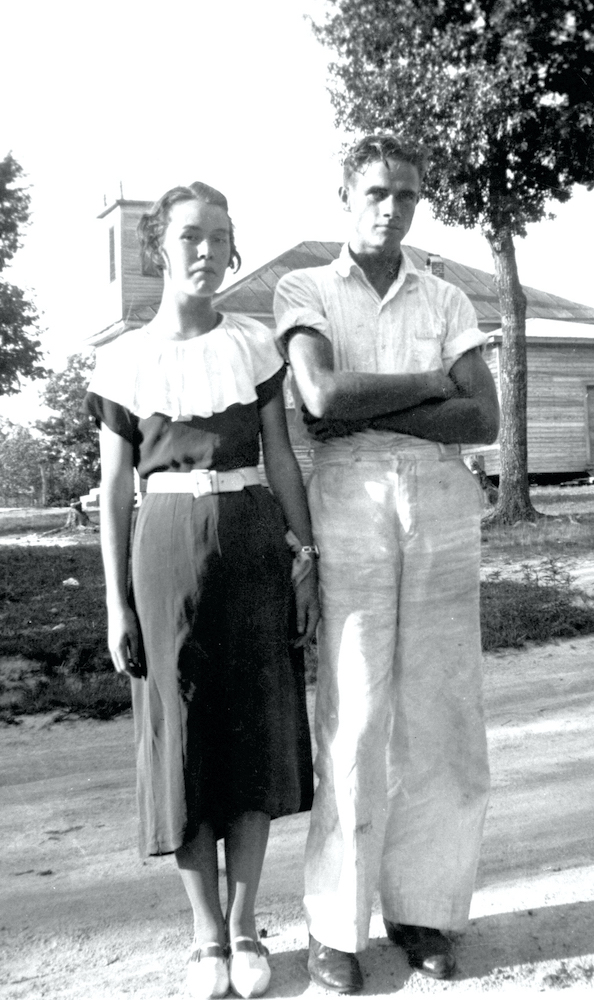
Cousins Opal and Hubert Oakley in front of Calvary Baptist Church, about 1936.

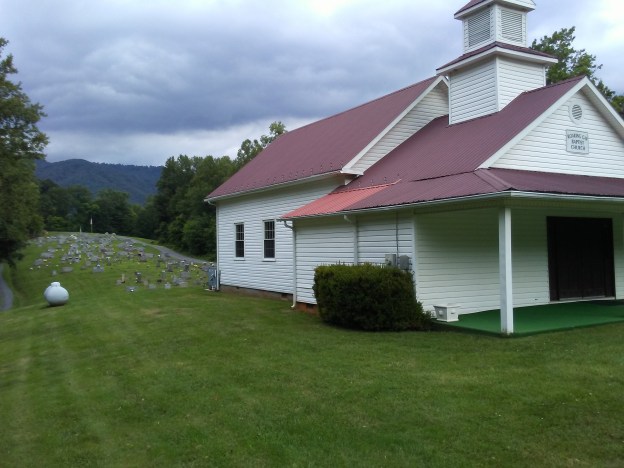
In 1924 my grandparents bought a house near the Franklin Road in the area that would become Toast. The same year, my mother was born in that house, near Calvary Baptist Church. The family moved to the Sandhills in 1936, leaving a close-knit community that included some of their relatives.

Copyright 2021, Glenda Alexander. All rights reserved.

Sources: “Post Offices by County,” https://webpmt.usps.gov/pmt007.cfm, accessed 12 Sept. 2021.

“Who Named Our New Post Office Toast,” Mt. Airy News, North Carolina, 23 May 1929, p. 1.

A Mill Family’s Losses in 1918

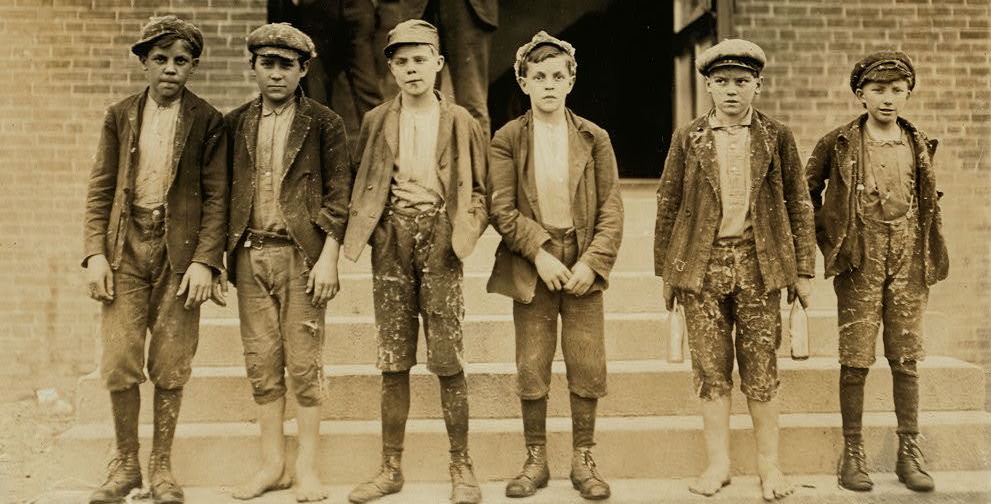
Boy workers in a N. C. cotton mill. The white specks on their clothing are cotton lint.

I wrote earlier, in “Victim of a Pandemic,” about a World War I soldier who lost his life to the influenza pandemic of 1918. His mother, Margaret McDonald Hicks, had a brother, Neill Archibald McDonald, who lost three children and a daughter-in-law to that pandemic.

Margaret and Neill grew up in the Sandhills region of North Carolina. Their grandfather, Angus McDonald, came from the Western Isles of Scotland to North Carolina near the end of the 1700’s. He came to this country speaking Scots Gaelic, the language his family continued to use at home through his grandchildren’s generation. Neill and his siblings spoke fluent Gaelic, and the language died out with their generation in the first half of the twentieth century.

As a young man, Neill left his home in the Sandhills and traveled to New Orleans, where, in 1897, he met and married Marie Gottschalk, whose family came from Germany. Neill and Marie moved back to his home in Moore County, N. C., and around 1912, they moved on to High Point, N. C., a growing mill town. There, Neill found work at the brand new Highland Cotton Mills and a home in the mill village.

Neill worked at Highland until his retirement in the 1930’s. Marie gave birth to at least thirteen children, one of whom died as an infant. The other twelve children were all Highland Cotton Mill employees, as were their spouses and children.

Early cotton mills are notorious for having employed children, for very low wages. The census of 1920 and 1930 reports children in the family as young as age 15 working in the mill. However, the children probably went to work at much earlier ages.

During the pandemic of 1918, three of Neill and Marie’s children died of influenza. The youngest was Wilbert, age 9, described on his death certificate as a mill worker, as were his brothers John, age 16, and Frederick, 18. Annie McDonald, the 20-year-old wife of their oldest brother, Ughie, was taken by the virus as well. She, too, was a HIghland Cotton Mill employee.

Those four family members, as well as several others, were buried at the Springfield Friends Meeting, near the village. No stones marked their graves, but the Friends kept careful records of the burials in their cemetery.

Copyright 2020 by Glenda Alexander.  All Rights Reserved.

Sources:

U. S. Federal Census reports for 1910, 1920, 1930, and 1940, including Supplemental Questions, 1940.

Miller, Ernest H., High Point, N.C. City Directory, 1923-1924,  (Piedmont Directory Co., 1923.)  accessed online at https://lib.digitalnc.org/record/25291?ln=en, Wilson Special Collections Library, UNC-Chapel Hill; p. 236.

Hills High Point City Directory, 1938, 1939, 1949 (Richmond, Va.: Hill Publishing Co.) accessed online at Ancestry.com.

Louisiana Marriages, 1718-1925, database on-line at Ancestry.com.  Original marriage records from the Clerk of the Court, St. Tammany Parrish, La.

North Carolina Death Certificates, database online at Ancestry.com, original records from North Carolina State Archives; Raleigh, N. C.

Brenda G. Haworth, Ed., Springfield Friends Cemetery:  1780-2017, Guilford County, High Point, N. C., (2017:  Springfield Memorial Association, High Point, N. C.) p. 141.

Jacquelyn Dowd Hall, Like a Family: The Making of a Southern Cotton Mill World, (Chapel Hill: The University of North Carolina Press, 1987)

Lewis Wickes Hine, photograph of boy workers in a cotton mill, 1908, digital image, Library of Congress.